Copenhagen is a city that makes you want to slow down. Not because there is nothing to do, but because everything here is worth pausing for.
The city where fairy tales
are written on facades
Andersen, coloured houses, quiet canals — and a word no other language can translate.
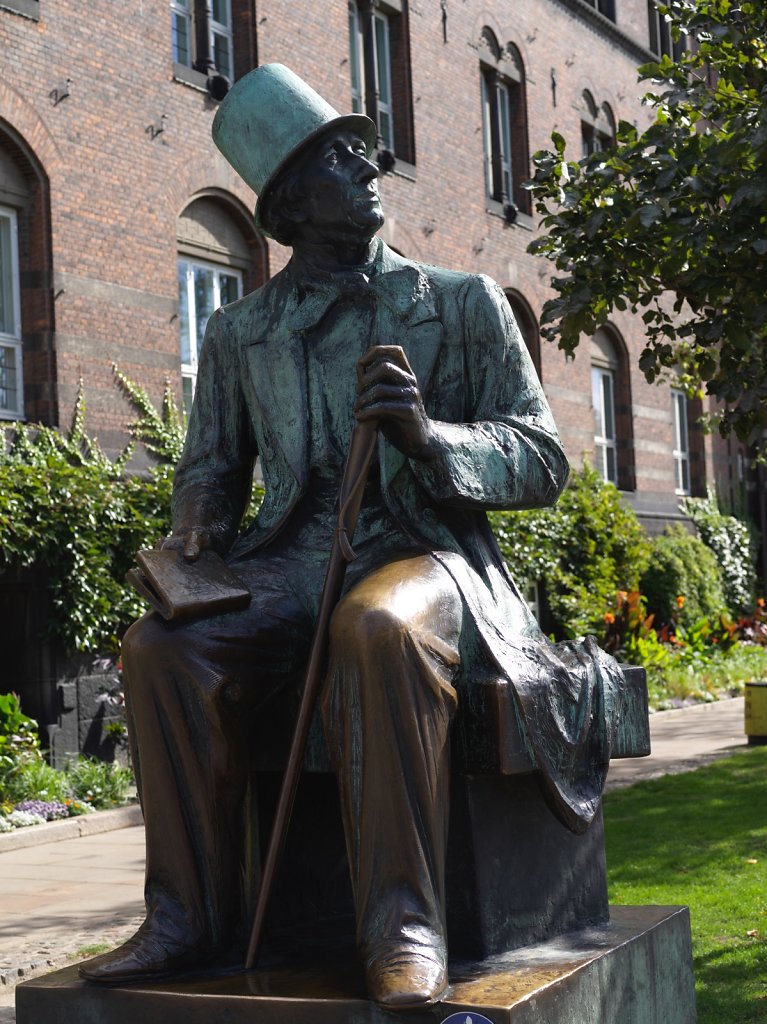
Hans Christian Andersen was born in Odense, but he made Copenhagen a city of fairy tales. His stories — of ugly ducklings, mermaids and steadfast tin soldiers — run right through Danish culture. Arrive in Copenhagen and you understand where they came from: the city itself looks like an illustration from a book. Coloured houses, quiet canals, bicycles everywhere.
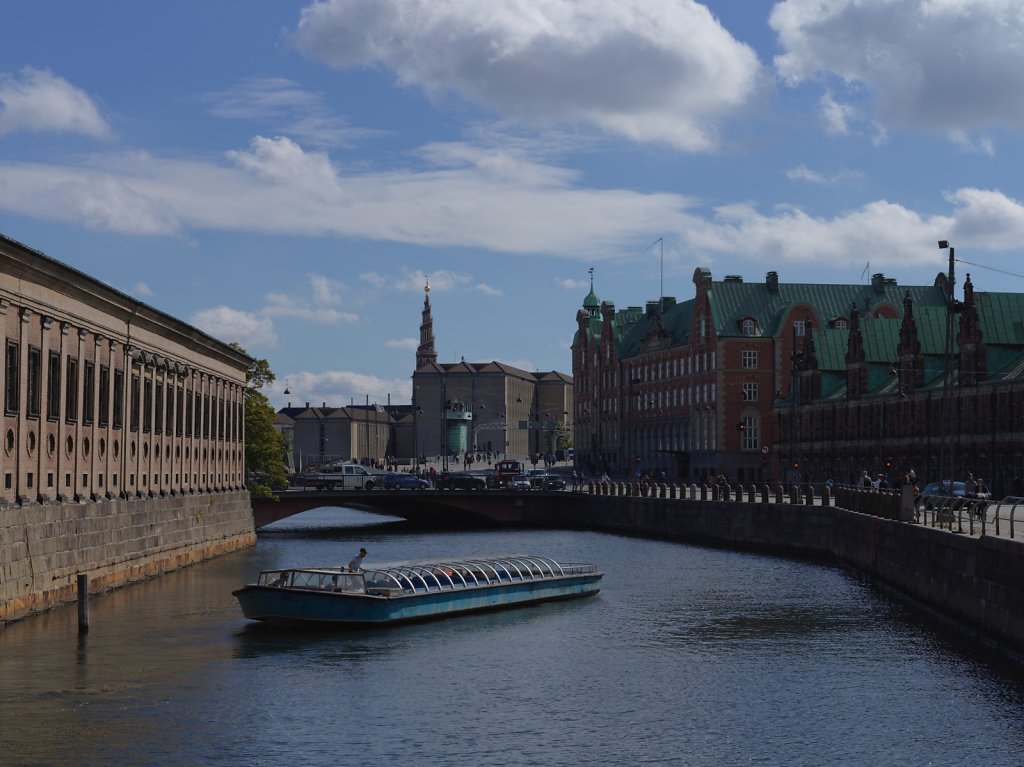
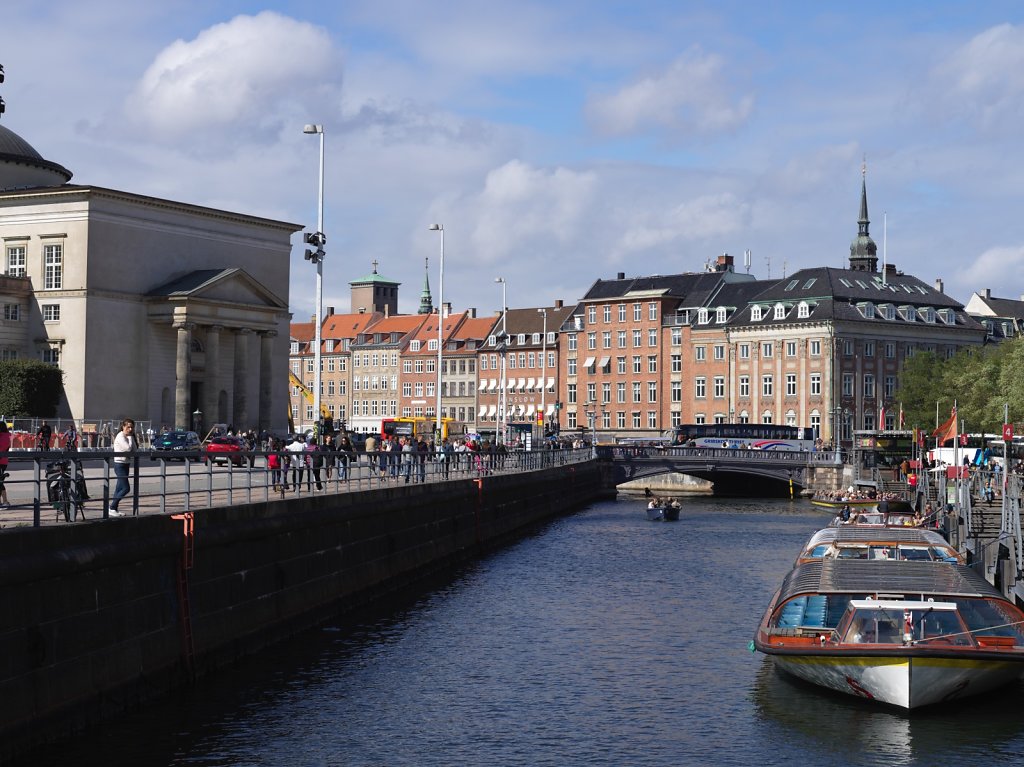
Hygge is a philosophy, and you see it in every café, every park, every gesture. The city never hurries you. It seems always to be suggesting you sit down, pour another coffee and watch a boat drift slowly down the canal.
The most photographed
place in Copenhagen
A narrow canal, seventeenth-century houses and three of Andersen’s addresses.
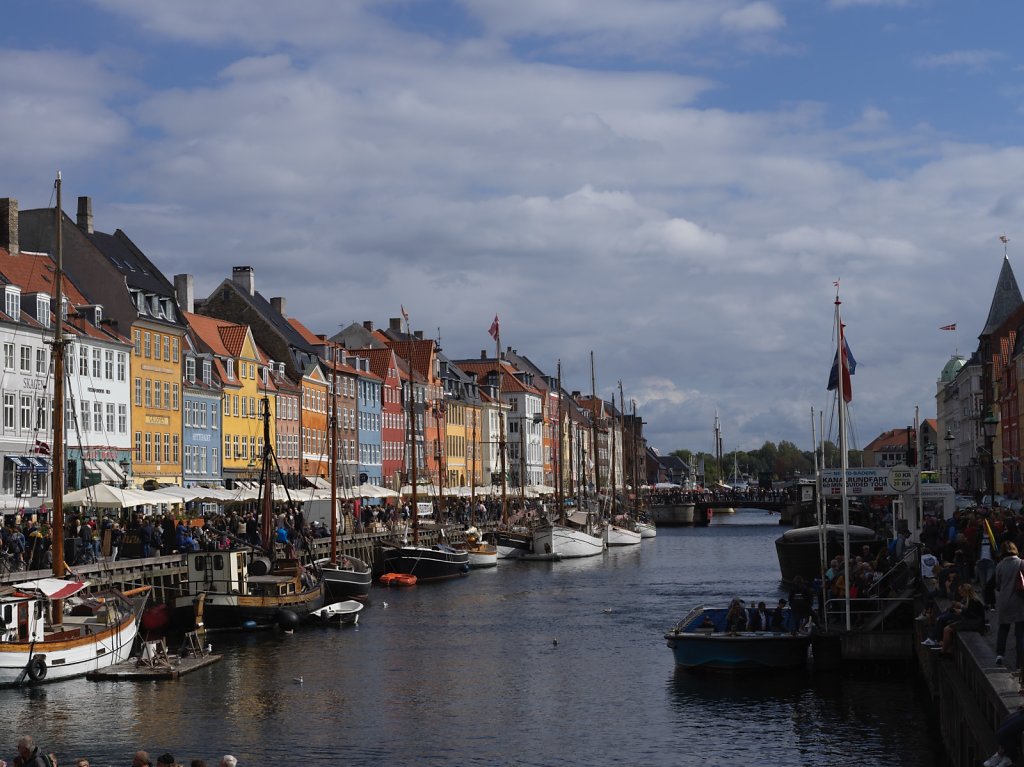
Nyhavn is the most photographed place in Copenhagen. A narrow canal, brightly coloured seventeenth-century houses, boats at the quay. Andersen lived here at different times — at numbers 20, 67 and 18. The tourists know it, and come anyway. Because beautiful is an argument too.
In the morning, before the cafés open, Nyhavn looks much as it must have in Andersen’s day: water, masts, reflected facades. By noon the quay is full of people and the canal becomes the city’s longest terrace.
The Little Mermaid is smaller than you expect — 1.25 metres of bronze on a rock. Yet there is a queue for her every day. Because she is not a monument — she is a sign that small dreams can be the biggest.Secrets Service · Copenhagen
Smaller than expected.
More important than it seems.
More than a century on a rock at Langelinie — and not a single day without an audience.
The Little Mermaid has sat on her rock by the Langelinie promenade since 1913. The sculptor Edvard Eriksen made her after Andersen’s tale. He modelled the face on the prima ballerina Ellen Price, while his wife Eline posed for the figure. In more than a hundred years she has been beheaded twice, had an arm sawn off and been painted every colour imaginable. She has always come back to her place.
In Andersen’s tale the little mermaid longs not only for the prince but for an immortal soul, which she can win only through a human’s love. The story ends far less happily than the cartoons. Perhaps that is why people come to her — for something real.
Quiet, unhurried,
human
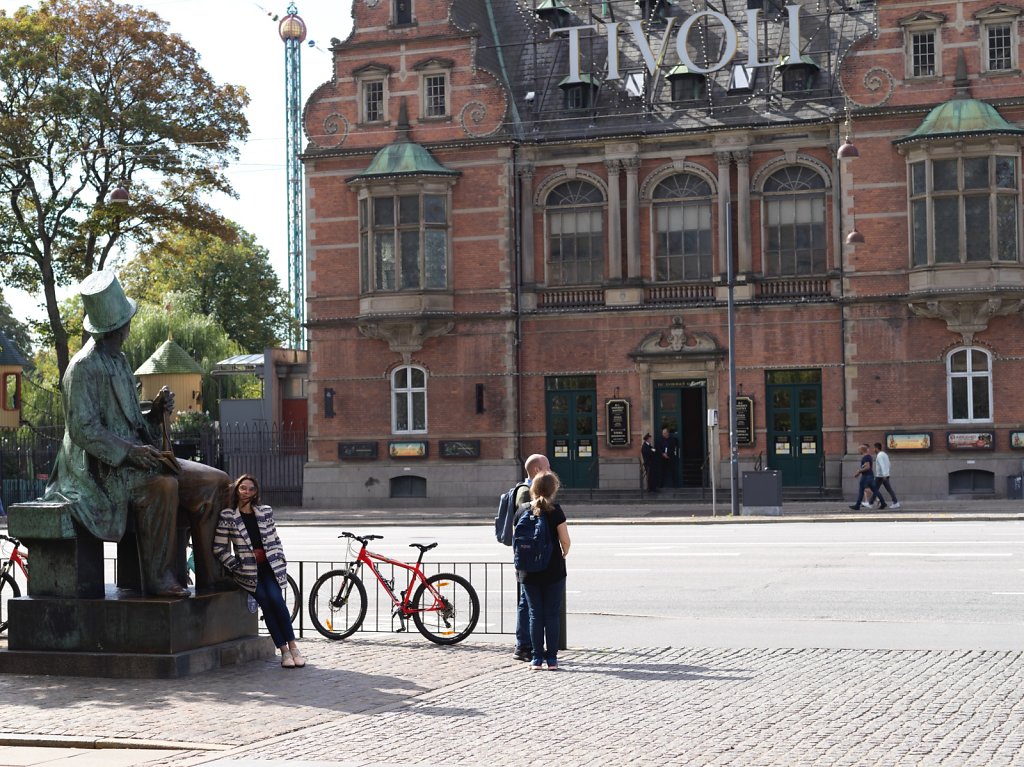
Bicycles instead of traffic jams, and Tivoli, where the lights have come on since 1843.
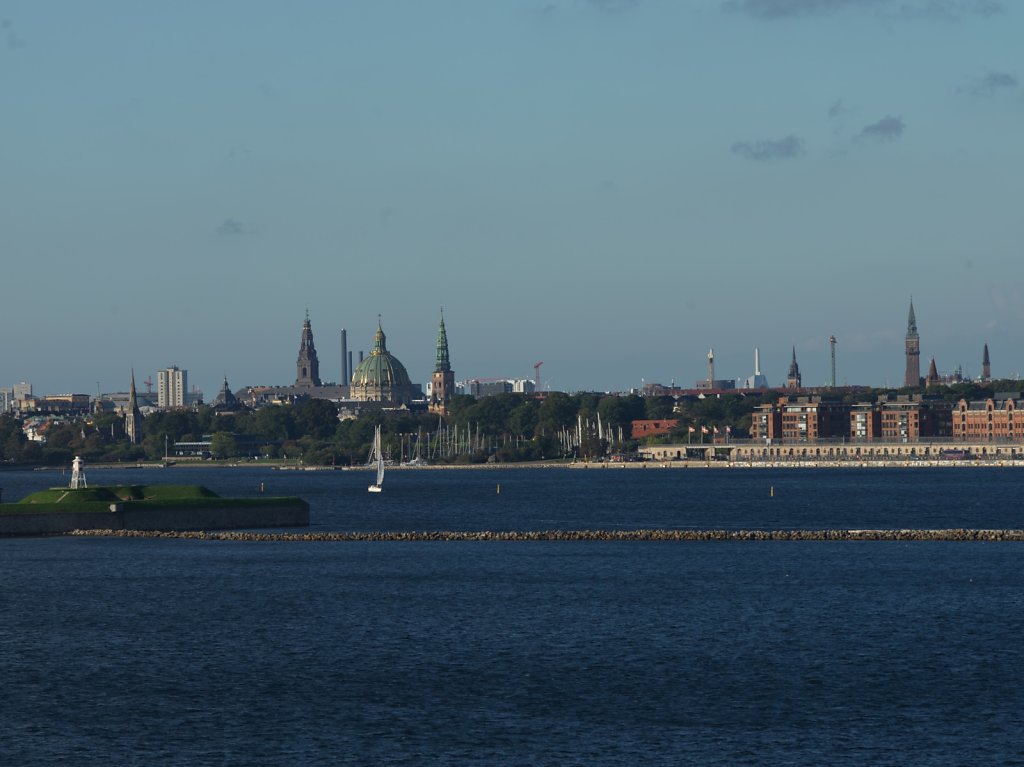
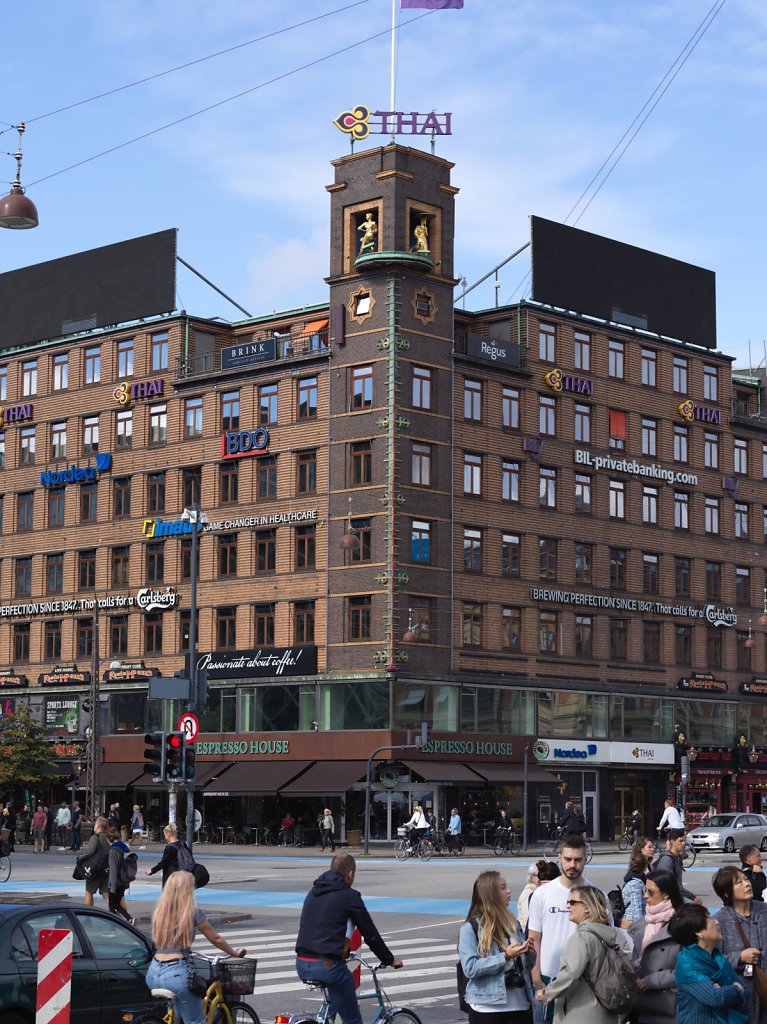
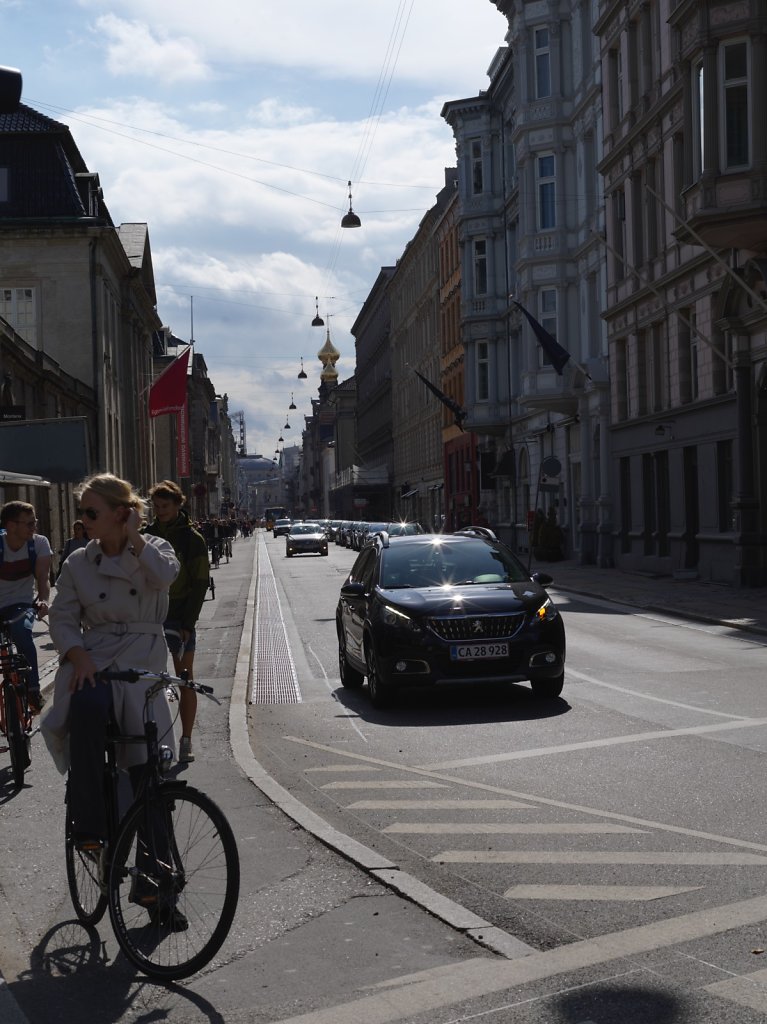
Copenhagen is one of the cycling capitals of the world. About half its residents ride to work or school every day, in any weather. Not only for the environment — it is simply easier. And it changes the rhythm of the city: quiet, unhurried, human.
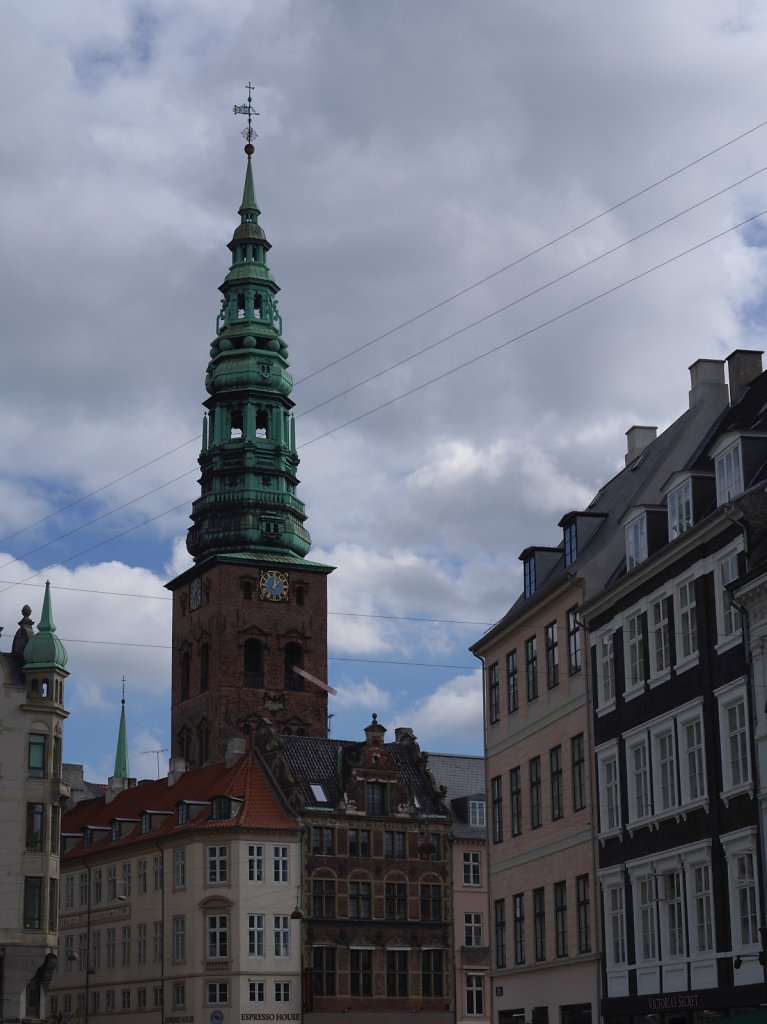
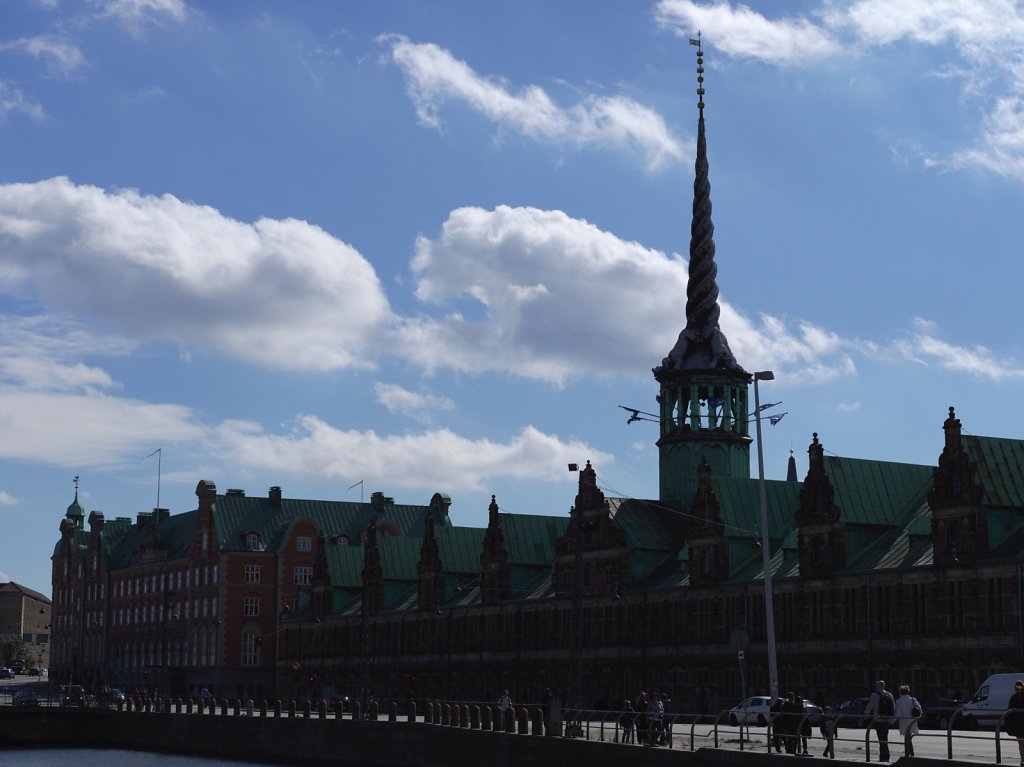
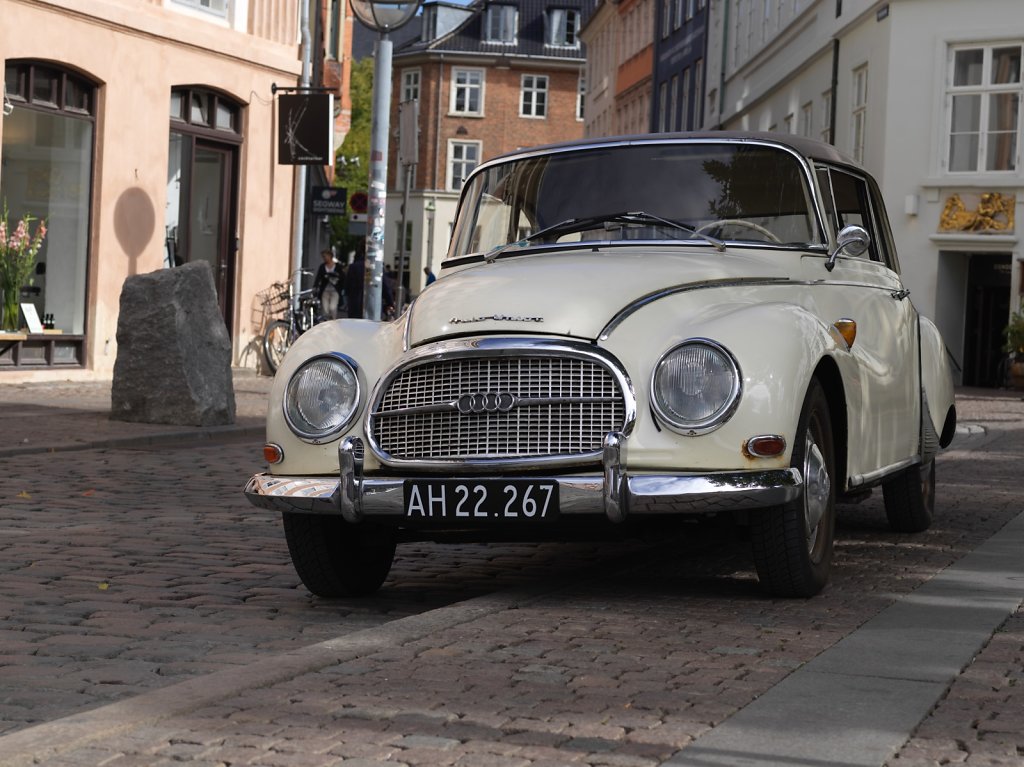
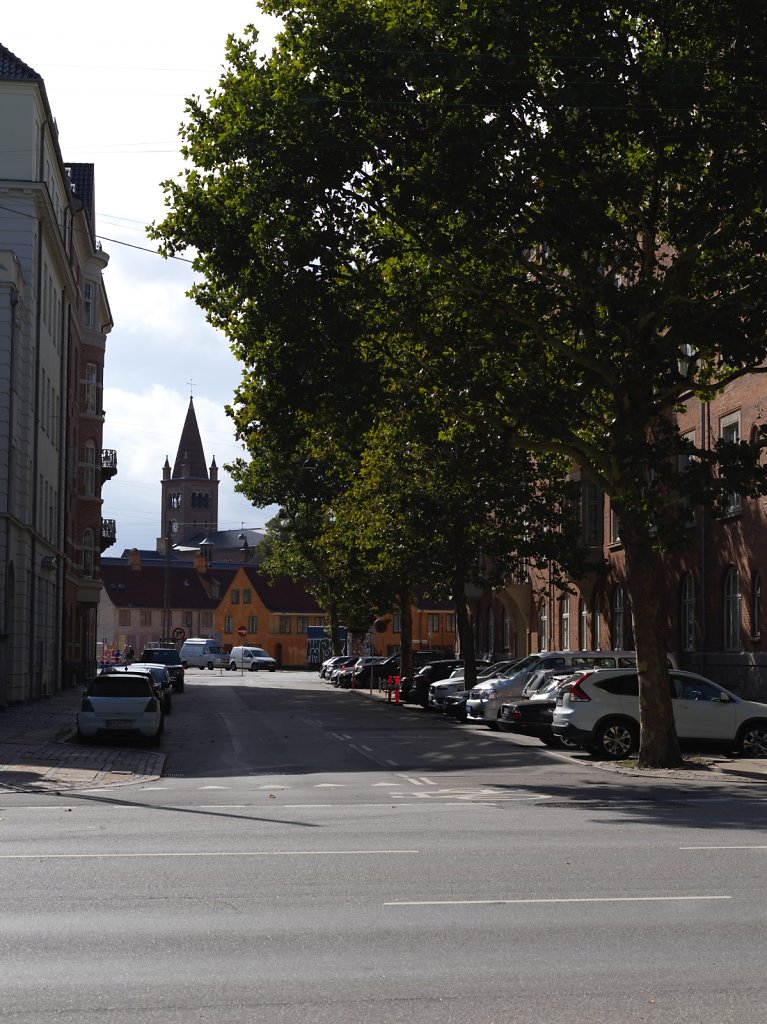
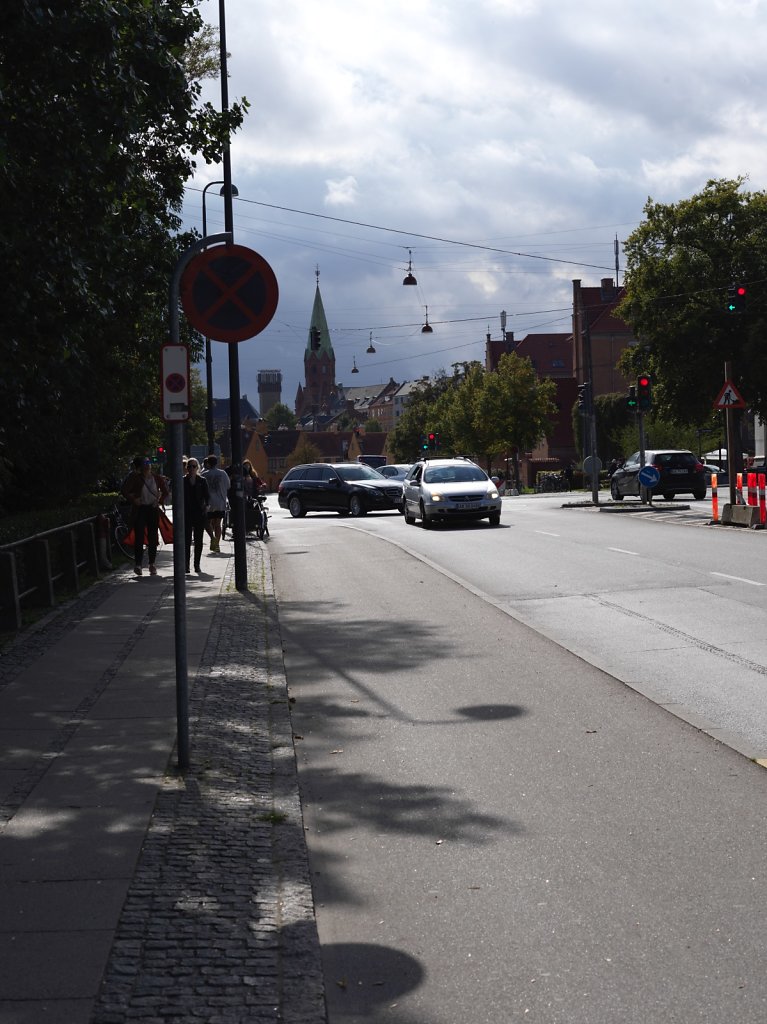
In the evening, when thousands of lights come on in Tivoli, you believe in fairy tales without reservation. By day the city belongs to bicycles, old cars on cobblestones and green spires you can see from every side street.
What to know before you go
Copenhagen is one of Europe’s most expensive cities — but worth it. The best time is summer, when daylight lasts almost 18 hours and the whole city comes outside.
Essential: Nyhavn in the morning before the tourists, the Little Mermaid at sunrise, a bike ride along the canals, smørrebrød in any café (open sandwiches — the national dish) and an evening in Tivoli when the lights come on. The airport is 15 minutes from the centre by metro.